Of strangeness that Wakes us by Ilya Kaminsky
Published Poetry Magazine, January 2013. A Publication of the Poetry Foundation
Todesfuge, by Paul Celan is a poem that I have mentioned here on Poethead in a variety of guises since I first read the poet Paul Celan in Fathomsuns’ and ‘Benighted’ (Carcanet, Trans. by Ian fairley)
Later, I went on to acquire the book, Paul Celan Poet, Survivor, Jew by John Felstiner which has a chapter entitled, ‘A Fugue After Auschwitz (1944-45 ) /your ashen hair Shulamith’, detailing Felstiner’s approach to the translation of Todesfuge. I blogged my reading of Todesfuge here .
In many ways I do not feel as if I will ever finish with the reading of that poem. I feel that this blog space is too limited to write about Paul Celan and his dedicated translators including, Ian Fairley, Pierre Joris, and John Felstiner. However, when an interesting article or translation of Celan emerges I link to it here. Poetry Magazine (January 2013) has an article on Celan’s poetry, including some discussion of Felstiner’s translation of Todesfuge. The text of the Felstiner translation of Todesfuge is included in Of strangeness that Wakes us by by Ilya Kaminsky.
Here Kaminsky discusses Celan’s alleged hermeticism , which the poet himself denied. He looks at the issues of expressing the experience of the Jewish poet Post-Holocaust and at Adorno’s exhortation that ‘it is barbaric to write poetry after the Holocaust’.
Poetry had to be written after the Holocaust, as art had to occur. Weil or Tuominen would describe poetry written in cataclysmic times as a poetry of necessity.
The expression of the WWII diaspora poet in the great Todesfuge becomes, in Felstiner’s words an encapsulation of or/ the Guernica of Post-War European Literature. Those readers of Celan who come to Poethead to link to Celan’s works will be intrigued by Kaminsky’s discussion on Celan’s poetic-process, his approach to language, to the creative-process, and to his expressing of human catastrophe
On Felstiner’s translation of Todesfuge Kaminsky says,
‘In my private library, this is one of the great translations of the twentieth century. But the word “translation” to my mind is misleading. This translation (or any great translation, for that matter) is not a mirror. While one appreciates Felstiner’s haunting use of German words interspersed with English, this striking and powerful juxtaposition of languages doesn’t happen in Celan’s poem.’ (Of strangeness That Wakes Us )
The sheer brokenness of the mother-tongue in Celan’s expression is precisely what allows for linguistic multi-layering within a translator-approach to the poet’s work. It is precisely this that Felstiner divines and uses in his translation, and whilst it may not appeal to the purist, it is that seamless juxtaposition and use of the German that gives the Felstiner translation its evocative quality.
Get Poetry Magazine and read the entire Felstiner translation which is embedded into his wonderful article on Paul Celan.
Note: I linked a Pierre Joris essay on Paul Celan here in August 2010, regarding Todtnauberg , as well as numerous references to Celan’s work. Essays on Celan and his translators are too all-encompassing to limit to (or add to) existent blog-posts. I recommend that readers with an interest in Celan visit Poetry Foundation, Pierre Joris’ Nomadics blog, and Jacket 2 for further discussion on the work of Paul Celan.
 YouTube of Todesfuge.
Text Translation of Todesfuge
My blog on Todesfuge


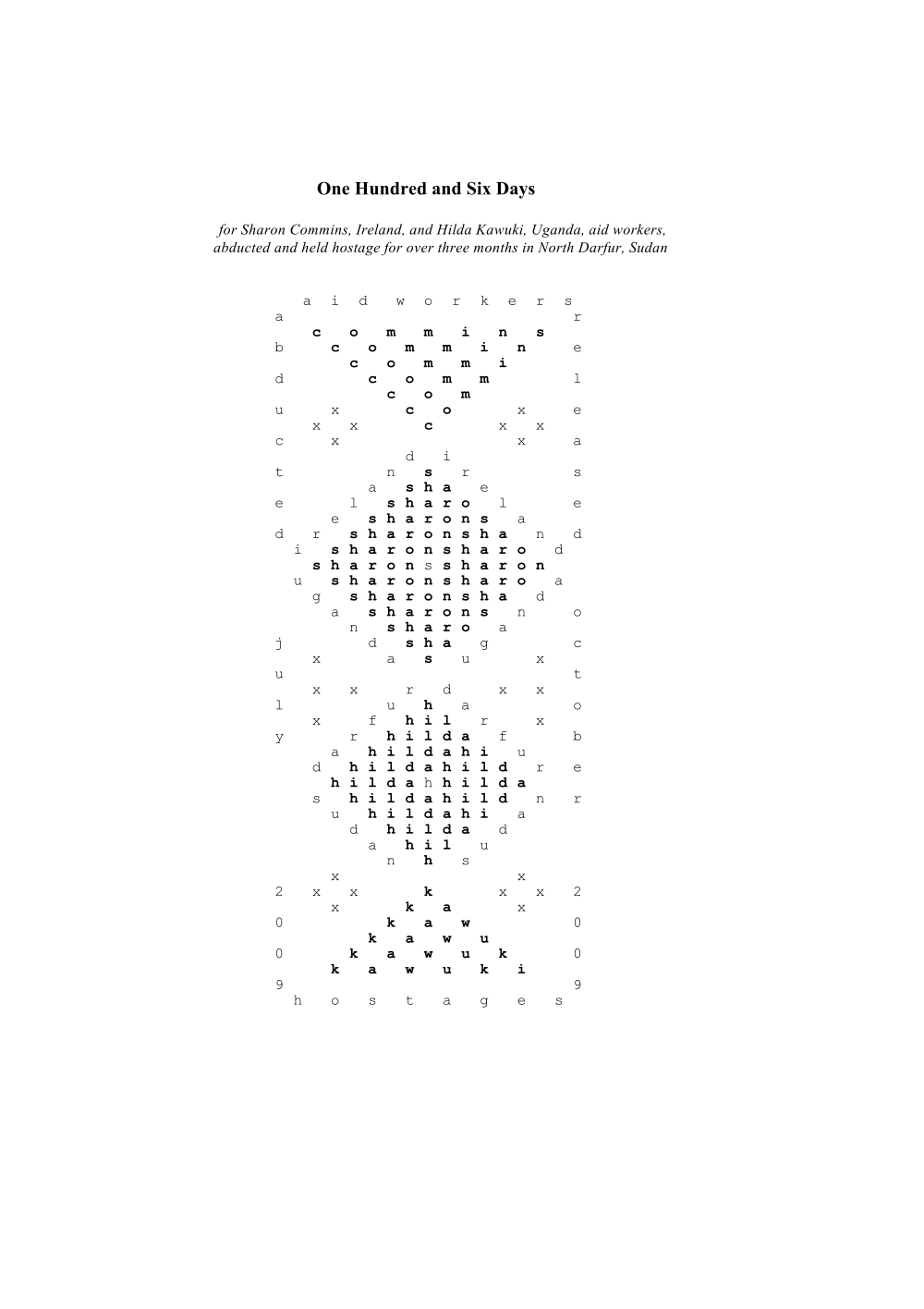


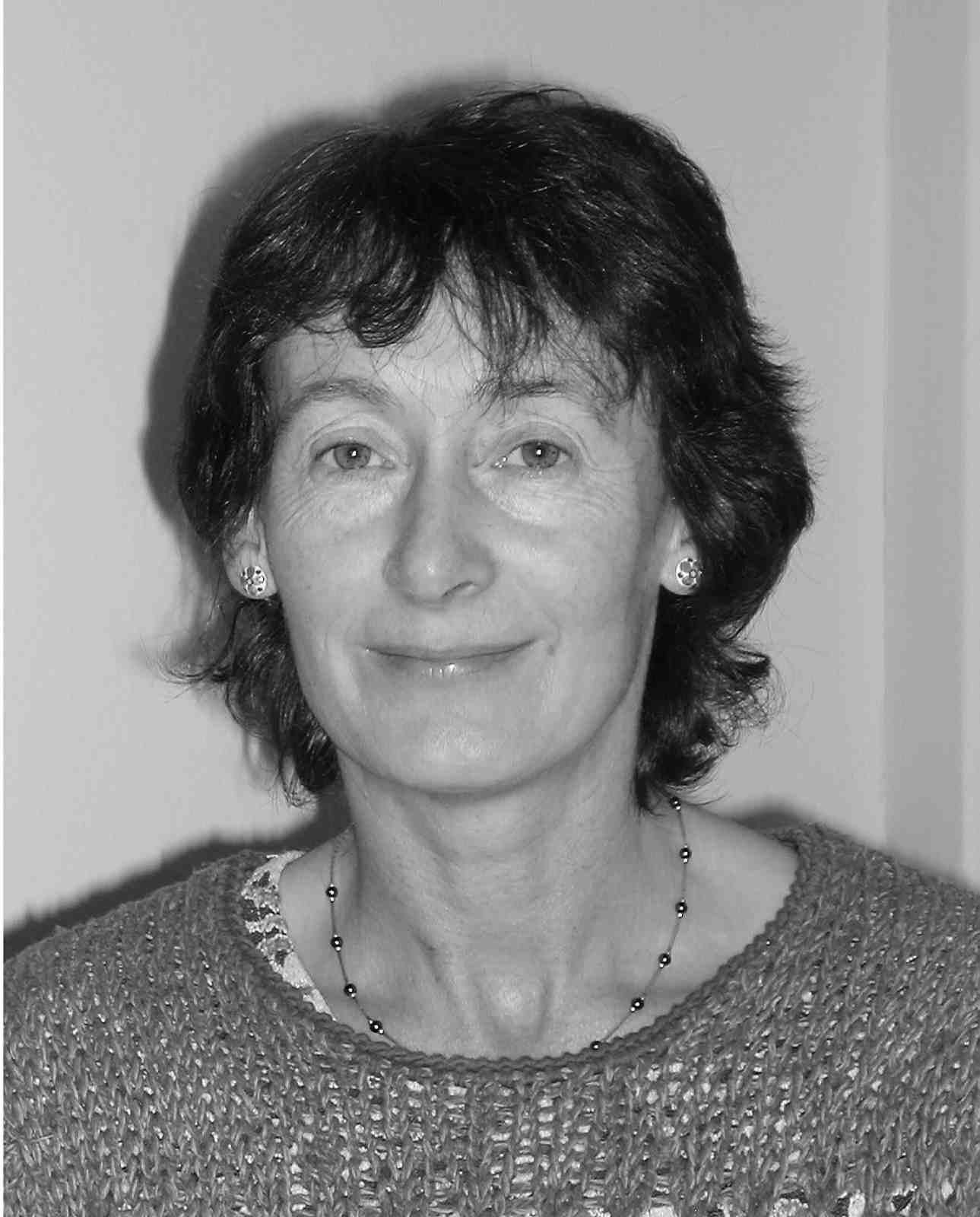 Susan Connolly’s first collection of poetry For the Stranger was published by the Dedalus Press in 1993. She was awarded the Patrick and Katherine Kavanagh Fellowship in Poetry in 2001. Her second collection Forest Music was published by Shearsman Books in 2009. Shearsman published her chapbook The Sun-Artist: a book of pattern poems in 2013. She lives in Drogheda, Co. Louth.





 Chris Murray