The MiracleThe red leaves angels whose name I press them among the pages whose name I promise A little water and their torture From the bus, I showed the red tree I was afraid the driver and she will per sempre miss *Published, Waxwing Literary Journal MIRACOLULFrunzele rosii Ingeri al caror nume Le presar intre paginile cartii De-al carui nume Putina apa Si tortura lor imi pare Din autobuz i-am aratat Copacul rosu ca-n Mi-era teama iar ea va pierde per sempre *Published, Waxwing Literary Journal
HaikuMy father sends off black
HAIKUTata emite energie The Yellow ArmadaSwollen like lead bullets, ARMADA GALBENĂUmflaţi ca alicele,
About a GirlShe has no signal follow her, even if a strange Asian woman kiss her and she bites you And you ask yourself, What does the childhood of an extraterrestrial look like? PORTRET DE FATĂEa n-are semnal urma-o chiar dacă asiatică stranie săruţi şi te muşcă Cum arăta copilăria unui extraterestru?
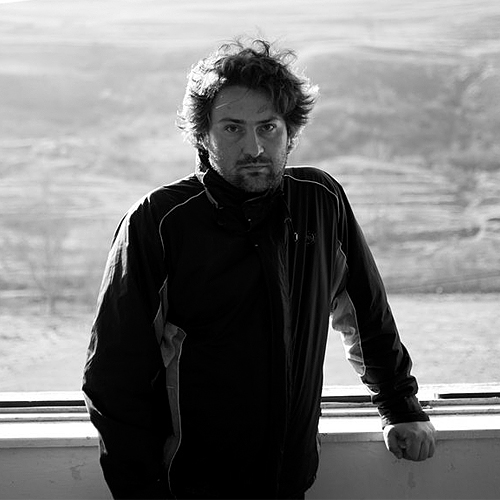
How to Hide UnhappinessForsythia or Hibiscus? Hibiscus, but make sure it isn’t purple, Hibiscus, he says, pink or white. *Published, Waxwing Literary Journal CUM ASCUNDEM NEFERICIREAForsythia sau Hibiscus? Hibiscus, dar să nu fie mov, Hibiscus, spune el, alb sau roz. *Published, Waxwing Literary Journal How to Hide Unhappiness / Cum Ascundem Nefericirea & other poems are © Ștefan Manasia, these translations are © Clara Burghelea |
Tag: An Index Of Women Poets
-
-
A Gradual Eden
After the lava had cooled,
hardened like a carapace
over the fresh-earth
graves of our marriages,
nothing happened for a while.Sure, you and I still talked all night,
once dared to walk arm-in-arm
like a real couple to the Vietnamese
restaurant with the string-bead curtain
and napkins folded into swans.I had to learn the basics:
I only knew your every thought,
but not, for instance, how you took
your coffee, how you swam at five
each day, leaving me to wake alone.Nothing grew on the hard-baked
basalt of us. Ditches that had defined
our highways vanished,
once-shady trees now jutted like antlers
where the lightning had struck.When the strawberries were gone
we ate dandelion and fiddle-head ferns.
You were an inventive chef, but I
was sick of roots and leaves; I wanted
Passiflora (or violets at the very least).Once, longing for old comforts, you peeked
back under the edge of the rock-crust
for a glimpse of green, but the lawns
were mustard and thistle-pocked.
Twice I peeked too.Watering didn’t help much.
Neither did planting seeds.
After a year or two, we got used to it.
Gave up trying.
Hung up boots.One day we saw the rock was dusted
with faintest green, just a bristle,
like your five a.m. beard—no more.
And then we saw a stem unfurl,
and then the flowers came.Symphony of Skin
i. Tuning up
They are there if you listen.
On the train, in the Laundromat—
the instruments, I mean;
bells, stirring in two-way stretch cotton,
(their owner slumped in the window seat,
his work boots tapping a secret rhythm);
timpani buttoned under a cashier’s blouse,
a cello bound by polyester pinafore
in salmon pink. She thinks
the air is flecked with soap dust,
doesn’t realise it’s rosin from her bow.
Air flows through apertures
where, later, fingers will flutter,
strings blur under the rub of horsehair;
their discordant mewl barely heard
above the swish of the train,
the hum of machine,
louder in the darkness of tunnel
or the lull of rinse cycle, then soft again.
Tuning up, they’re getting ready
for this evening’s symphony of skin
to begin at precisely 10.15.ii. Skin music
And you can never explain it in physical terms—
what happens between two people
on an ordinary bed, in an ordinary room.
Let me ask you, could you school the cuttlefish
in Ludwig’s Emperor (second movement)
in terms of anvil, hammer and stirrup?
Paint the hues of daybreak for the mole?
There is only air, compressed and stretched.
There is always space between skins,
no matter how closely they press.
No touch, only the music of skin;
an oboe sings, a cello answers.
Locked within the strands of collagen,
atoms built of smaller blocks,
each one a capsule packed with strings,
each string a note that’s yet to play.iii. Reverberation
Afterwards, they lie curled,
two bass clefs facing this way, that.
They talk of anything, of childhood;
croak the lyrics to every Paul Simon song
they can recall; this, the highlight,
now the players have left the stage.
They will meet people
who promise them more than this,
more than you could write about this.
Sleep will come later, a raft
pushed out on a starred sea.
What oak bed? Which room?
There is nothing here
but phosphorescence
undulating along their border.
Only this tiny stage
drifting on the night swell,
a single baton on its floor.Fortune reshuffled, reshuffled
(The tarot anagrams)
Take off your rings. They are clues to your story.
I. Judgement
I’m getting a strong signal. You will survive an avalanche. When it comes, you’ll be prepared. Keep your hand near your face to clear an air space. Many suffocate. Make sure you know which way is up. This is the easy part: dribble the spit out from your mouth and see which way it runs. Now, dig, dig in the opposite direction.
I see something else coming through here: you’ll give him a kidney. (He is dying, you see, in the physical sense). Worst-case scenario, temperance—you’ll have to cut back on the Sancerre. Best, a scar and an empty comma on one side of your mid-spine. Still, each cluster a small lung, breathing life into the glass husk of him until he pinks up. Then he’ll ask for the other, the fool…
He’ll ask you which one you are—in the show, I mean: Hank’s wife or Walt’s; the pretty, bored house-bound mum with the new baby, who knew about the drugs, or the Type-A kleptomaniac sister. Your love will die but you cannot live with another monkey on your back. Ho! Mind you heed my 4warning. Honour is nothing. They stole your fucking poem. Don’t sign anything.
II. Temperance
I see a case of your best Sancerre, coming from cluster to glass. Is your wife a fool? you’ll ask him, mid-fuck. And the other scenario? An empty life. You’ll have to give him a pink lung, one side dying. He’ll cut up your back, scar your spine in the husk sense. Not physical (comma) worse—something else you’ll see through.
Another strong signal from you: this is Space. In which direction is Survive? Be prepared to dig when the air runs out. Will you know which way? I’m getting an avalanche of drivel: Dig, the opposite of Easy. Face it; you know your part will suffocate many, but each kid’s still breathing. See the way your spit comes up clear now? Keep your hand near your mouth.
A warning sign: At 4 am your mind’s a monkey house. You cannot live with your sister, the kleptomaniac honey, who stole the show. She’ll waltz in here and type you a poem or love you back. Keep mum! Don’t heed anything the pretty ask. They are bound to be mean, bored with the new drugs, which, on my honour, I knew nothing about. The baby will die in this one. Hanky?
III. The Fool
See the way your Mum keeps coming up? She’s a pretty mean type. She’ll suffocate you, cut off your breathing with a hank of judgement you could sense. Heed your kid sister, the midwife, who’s bound to love you. Your baby digs you, honey. He’ll waltz you back to the monkey show, give you space to spit. You’ll ask him to dribble Sancerre into your mouth until your mind clears. (No temperance here).
Another warning sign: your honour is the kleptomaniac that stole the pink from your face. Will the strong drugs put a comma in your near-dying? In this scenario, you survive. Many know your hand. The husk of a lung is bored from your back, a scar on your spine. Keep it in a glass in case the air runs out.
I’m getting a signal. Something else coming through I knew nothing about: you live in a new house, one you cannot empty of poems. You give each other the best life, a physical side. But don’t ask of him. The worst part… Not prepared for anything, you see. Up this way. Easy! Then, cluster-fuck from the opposite direction… 4 die in an avalanche. They are still now.
On the Rocks
There is a kind of love called flotsam. When twisted winds have paused for breath
where the sea foam eddies, this love emerges like a teak plank sprung
from a shipwreck. It floats proud and quiet or hangs just below the surface.There is a kind of love called jetsam. When the hold is timber-splintered
and the waterline creeps higher, this love is flung on the breakers, entrusted
to the sea bowl. Washed up on a remote shore, it is rediscovered as kindling.There is a kind of love called lagan. When waves have swallowed the last yellow
fingers and silver rings of the crew, this love drifts from quarter light
to where the hagfish lie. Moored to a sunbeam, it can always be traced.And there is a kind of love called derelict. When spite has ripped the spinnakers
and set the halyards alight, this love settles at the heart’s base, nestled in the point
of it. Leaden as a sinker, it is never to be reclaimed.Five Creatures Under Every Mother’s Skin
Damselfly
Age thirteen, the skin splits down her back.
Emerging, clad in shimmer and sequin
and glassy wing to much ado. Pretty head
thrown back, clasped by mate after mate.
The green river air is shot silk
scribbled with their heart-shaped pen.Salmon
Seaward, she is drawn tail-first. The river
a silversmith arming her, scale by scale.
The ocean has no boundary, save memory.
Though her flesh will coral with experience,
she will dodge bamboo rod and vernal bear,
return to gravel nurseries of the smolt.Pelican
Grotesque red bill pressed to her quilled
leather corset releases the last fry
from gular folds. (This the tongue’s
business, but hers too tiny to roll around).
If they want to believe she pierces her bosom
to blood-nourish her young, let them.Vixen
Bring on the night! Let her stalk and cry,
dog-fox by her side, blackberry picking
by moonlight in fur coat and black boots.
By dawn, she returns to earth, her kits
an auburn ball. The sick one she’ll carry
to the wood’s edge and dump it. Just in case.Pilot Whale
Her skin-rubber, hashed and scored
with life’s scars, hides an armchair heart.
Her glands can still suckle a youngster
bored with waiting for his mother,
God love her, this, so much more fun.
Her children’s children will be doctors.“A Gradual Eden” and other poems are © Audrey Molloy
Acknowledgements
Symphony of Skin, first published in Meanjin Volume 76, ed. Bronwyn Lea
A Gradual Eden, first published in Headstuff (Feb 2017), ed. Angela Carr
Fortune Reshuffled, Reshuffled, first published in The Moth Magazine, Spring 2018, ed. Rebecca O’Connor
On the Rocks, first published in Australian Poetry Journal Issue 6.2, ed. Michael Sharkey
Five Creatures Under Every Mother’s Skin, first published in the competition anthology of the Canberra University Vice-Chancellor’s Poetry Prize 2017 -
Flaxen Sheaf
Softly winnowing, shifting neat
Deftly yielding seed from sheath,
Sifting cleft wheat from weed,
Sweeping sleeves bereft of seedWielding fleets of sickle o’er
Nimbly threshing flaxen plant,
Cloven seams unwoven—spent,
Shafts of sheafs—swiftly rentThe chaffing teeth,
The shearing tooth,
The shaven chaff,
The grieving root.The Echo
The echo resonates—
confirmation you are alone,
Borne along with contractions
are pitches and tone.Giving breath to life is labour—
breath pregnant with sound,
–collected in thought,
–delivered with care,
–spoken aloud.The birth of words weighty,
born into new air profound,
the echo will perish,
the meaning resound.Sentiment as Sediment
Gloomy Tuesday sits thickly
like a pot of glue,
thick and almost solid,
—almost setOld Monday like forgotten honey rests,
—Separate,
The dregs lay,
Heavy at the bottom of the thick glassTuesday, a blue day.
Flaxen Sheaf and other poems are © Laura Scanlon
-
(i) Woman, Fragmenting Out of reach of Bach's Rescue Remedy, she free-falls through 2, 1, G to the basement. Wifemask says she's fine, hides behind her Prozac smile, offers cake and tea, nods and nods. Wearing her disguise, she lies While chemicals scramble signals, sparks refuse synaptic gaps, the machine malfunctions, cables snap, she swallows despair, takes what's on offer for toxic sorrow, peels her skin down to the raw child at the core of her unhinged matryoshka. Things can only get worse if nobody Zolofts her back to the surface. She tries to grip the creature—is it she?— sinking through air, land, water, submerging, seabedding. (ii) Woman, Defragmenting She searches for handholds inside her head, climbs her hair through a blizzard on the north slope. Choking on terrors of high unguarded places, she fights the urge to step off into nothing, give in to gravity, plunge through the sea-skin, then fly, half-cormorant, down to oblivion's seabed. Spiralling riptides draw her under, she rides an undertow down, down where dolphins drown, stars nail the lid on her sea-coffin. She floats in darkness, hears voices call; a bright light hauls her anchor. She breathes clearer air, glimpses a split of sky, blue, the blue of healing, of veins unopened, their steady pulse the beat of her twelve-bar blues
Ceramica
After Ceramic artworks by Helen Quill
this white ceramic demi-sphere brimful of the cries of seagulls,
at the tipping point
balanced on blackthorns—
half-moon bowl of light
downy white feather
from the wing of the holy ghost—
downward spiral
strung on a single hair a louse-egg pearl
cochlear swirls thrum
with the sound of waves
weaving an ocean
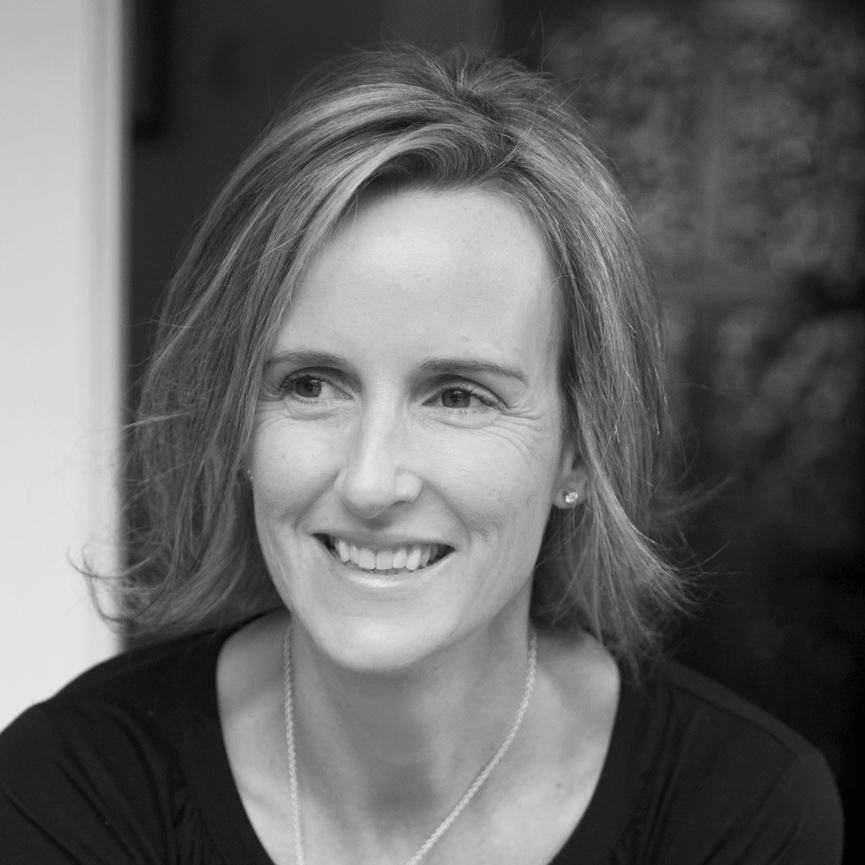
Breda Wall Ryan grew up on a farm in Co. Waterford and now lives in Co. Wicklow. She has an M. Phil. in Creative Writing (Distinction) from Trinity College, Dublin. Her awarded fiction has appeared in The Faber Book of Best New Irish Short Stories 2006 – 07 and The New Hennessy Book of Irish Fiction. Her poems have been widely published in print and online journals, broadcast on community and national radio and translated into several languages. She has read at poetry events throughout Ireland, in the United Kingdom and USA. Among her more recent awards are The Gregory O’Donoghue International Poetry Prize and The Dermot Healy Poetry Award. Her collection In a Hare’s Eye (Doire Press 2015) was awarded the Shine/Strong Poetry Award. Raven Mothers (Doire Press 2018) is her second collection. -
Killaclug IV
I sat in a river in the land of the bad faeries
up the country somewhere in County CorkWhen I dove in, the cold water stung my skin like an angry wasp—
or a punishing whip—
before settling me into it’s cool embrace.
Calm.I tried to swim but the river bed is too shallow;
filled with silt and stones and the bodies of warring brothers and changeling babies that washed in during the winter storms.
Shallow graves in a shallow riverbed
in the land of the Bad Faeries.When the river speaks it tells me the secrets the locals keep;
but you have to listen.
No one listens anymore.I sit on the bed of the brothers and the changeling babies and
the water is cold and the breeze is sharp
and the river speaks.Muiris
I am not a poet;
words do not flow freely from my brain
to a pen
to a page.I am not a poet.
My vocabulary is academic and varied, but my words
arrange themselves in awkward jumbles
that pour out of my mouth into a heap
of tangled sentiments.I am not a poet.
I want to tell you that your kiss tastes
like blackberry brandy in hot apple cider;
tastes
like a cashmere sweater sliding over my belly;
tastes
like holding hands with my first crush;
but all I can manage is:
“You taste good.”I am not a poet.
But, if I were, I would tell you
that your touch burns me like an over-fed log fire;
tell you
that your fingers on my hips sear me like a brand;
tell you
that loving you is as thrilling,
and as terrifying,
as loving a star the moment before it burns out for good.Too bad I’m not a poet.
El arte de las tortillas
A posh man once asked me, “What is art?”
What is art?
Art is the color blue.
Frail and swollen, cutting patterns across my abuela’s hands
beneath her fragile skin.Art is the color blue, artificial and sticky,
like the tub of Crisco that my abuela is easing down from the cabinet.“Antes usábamos manteca normal,” she explains
as the blue tub hits the counter with a small “tak.”
“Pero manteca vegetal es lo mejor.”
She taps the clear plastic lid
to drive her point home.
Tak. Tak.What is art?
“Esto es un arte, mija.”
Abuela says, smiling through her L’Oreal lipstick.
Her hands shake
just a little
as she pours the harina blanca from a paper sack
Into a ceramic bowl.
“Tantito, así.”Blue veins strain against tissue paper skin,
a flash of blue against soft brown.
An old mug tips water into the bowl,
just enough, never too much.
“Ahora la manteca.”Bright blue.
Artificial blue,.
Then slippery white.
“Toma.”The shortening is in my hands before I can say,
“Por favor, no.”
A brown finger taps blue paper.
Tak. Tak.
“Esto es el secreto de las tortillas.”Esto es el arte.
This is art.El arte de las tortillas (English translation)
A posh man once asked me, “What is art?”
What is art?
Art is the color blue.
Frail and swollen, cutting patterns across my abuela’s hands
beneath her fragile skin.Art is the color blue, artificial and sticky,
like the tub of Crisco that my abuela is easing down from the cabinet.“We used to use lard,” she explains
as the blue tub hits the counter with a small “tak.”
“But vegetable shortening—that’s the best.”
She taps the clear plastic lid
to drive her point home.
Tak. Tak.What is art?
“It’s an art, mija.”
Abuela says, smiling through her L’Oreal lipstick.
Her hands shake
just a little
as she pours the harina blanca from a paper sack
Into a ceramic bowl.
“That much, no more.”Blue veins strain against tissue paper skin,
a flash of blue against soft brown.
An old mug tips water into the bowl,
just enough, never too much.
“Now the shortening.”Bright blue.
Artificial blue,.
Then slippery white.
“Here.”The shortening is in my hands before I can say,
“Por favor, no.”
A brown finger taps blue paper.
Tak. Tak.
“This is the secret to a perfect tortilla.”Esto es el arte.
This is art.Muiris and other poems are © Victoria Cosgrove
-
1. Everything
It’s truly
a chaotic thing
to suddenly see
starlight,
heaven and
everything
in someone’s eyes
2. Sky
The sky spilled sadness
into paper cups
and
lilac clouds
soaked up the dreams of
a thousand
grey
print press people
with their coffee stained sleeves,
keyboard click steps
and empty minds
3. Pull
I wish I could pull
all the sad out of you
out through your chest
I’d fill up
the empty spaces
with flowers
chrysanthemum cardiac tissue
your whole heart
plastered in
every
pretty petal
As if I could bandage
an entire botanical garden
of happy
blooming
in your bloodstream
4. Crash
Oh my poor whole world
is crashing down
in stinging purple spark explosions
and
salty little girl tears
that I can hear
the sound
of
each time I’ve ever wished
on pastel birthday cake candles
distorted,
flooding
rushing like icy water,
wish wish wish
5. Dizzy
My world
is
always sunset
and dizzy—
colours flash quicker
when I close my eyes
I like to catch
falling things
or
floating things
—maybe dandelion seeds
I will always trail my hands
across
every wooden beam
and write wishes in the dust
asking voices you can’t hear
for answers, I don’t need
Everything is © Evelyn Moloney -
The Scarecrow Christ
The fields are flat and brown, it’s hard to think
they’ll ever stand high with corn, flare with rape
again this summer. For now the scarecrows lurch
at crazy angles. They trail old coats and rags.
Polythene bags flap around the suggestions of
their shoulders. And yet the wind lifts
their shoddy clothes and they are touched with
magic; they always seem about to fly.It’s Sunday and I’ve taken you to Chapel.
Everything is grey and earnest. There’s no
incense here, though a sense of well-meaning
sifts gently through the air. I don’t think I belong.
It’s Lent and the sermon is all about temptation.
I feel I would not pass those tests. Now I see
distraction in the corner of my eyes; a painting.
When I can, I take a picture on my phone.It shows me strips of cloth, snarled around
an empty cross, a tenuous fabric
lifting in air currents, tangled with light.
Something. Nothing. Faith, elusive as a sigh.
A scarecrow pinned to a stick.
Leaning forwards, with the wind stirring its tatters.
And always on the point of alteration,
by some sudden unexpected angle of the sun.Autumn Is Coming
It’s September and the sombre clouds are rolling
themselves up into tentative shapes, faces that
billow, then pass into oblivion. Autumn is coming early.
The ground is strewn with plums that are rotting
where they fall amongst the maggoty apples,
and the leaves that are blushing into decay.Creak by arduous creak upon the stairs,
you haunt me with the man that you once were
as laboriously, you are rasping through the days.
On your bad side, your stiffening hand is
contracting to a claw, and now, when I hold
you close to me, I feel your bones against my breast.I thought the memories, that grew like lichens
intertwined, were permanent. But now you say
you rarely think of them, so mine are going too.
Your voice is a dry whisper, vanishing on a breath.
Under that press of sky, it’s feeling colder. And
our world is growing smaller every day.Tell it to the bees
The garden hums. Bees guzzle in the throats
of the lush flowers and butterflies clot the blossoms.
The simple flowers are full of nectar. Sometimes
the hives are dressed in mourning. Someone has
rapped softly and told it to the bees. Their hive servant
who managed their perfect world has gone.As the coffin settles in its grave, so gentle hands
lift and set down the colony with its waxen cells
like catacombs. And reverently, lay out their share of
funeral meats and drinks at the entrance where the bees
dance their maps; carry the pollen in their baskets
to feed the hive in their secret waxen chambers.Cells dripping with nectar metamorphosing into honey:
that gold that gives the gift of prophecy. Telling the bees.
But there is a stutter in the rituals. Threats grow like
the larvae in those perfect hexagons. The doubled flowers
flounce their skirts. Nectarless. The bees in their quietened hive
are alive instead with Varroa mites, crawling in their plush.And all the words of prophecy roll on the tongue.
Foul Brood and Nosema,
Colony Collapse and neonicotinoids.Tell it to the bees.
A Love Story
It was 1970.
We walked beside the river, hand in hand, and the sun
gilded us, and I was dazzled by the blackness of your hair,
your golden skin, and the amber of your eyes, sometimes
black as olives in the glinting dark. When I look back
it is always summer, and your skin is hot against mine,
breast to breast, in the half shadows where my hair falls over
us in a silky veil. We both remember the short green dress,
brighter than the grass, cheap polyester from C&A, sticky
with the heat. And when I took it off it was rust marked
where the buckle of its belt had rested on my waist.And you ask, and I ask myself, what is the point of all this?
And that is the point. A day burnished until it gleams.
Two young people, hand in hand, beside a river sequined
with sun so bright you had to squint to see. I don’t write
love poetry, my poetry is full of the darkness that followed,
but this is a love poem, that has walked into my head and
surprised us both.Dr. White
Dr. White, last time I came you were counting on your
fingers. “Four and twenty blackbirds,” you said, “baked
in a pie” that just you could see. “You are only as old
as the woman you feel.” No-one answered. “And that’s a joke,”
you told us, sadly, but no-one got it.Today you are rocking and reciting. It is poetry.
My mother says, “Hello,” and so does Dr. White.
“Hello, hello. Hello. Go so, go low, go slow. NO!”
And, “Where? there?” “Would you? Should you? Would you?”
Then, “Go!” says Dr. White again and I’m wishing that I could.But I have only been here for twenty minutes. A carriage clock,
its mechanism slow as treacle, turns to and fro, sealed in its case.
A DVD of Pearl Harbour is cycling through the start page. “Play”
it instructs us. Or “Pick a Scene.” Every now and then a plane flies
across the screen. Dr. White is shouting, “NO, NO” he says.He is surrounded by etiolated women, sitting in special chairs.
Their necks are stretching towards whatever light remains.
“Shut up” they say, often, severally, but Dr. White just goes on
and on, rocking and chanting his dreadful incantations.
“Shall I hit him with my book?” my Mother says, and laughs.Now I say “NO, NO”, to her, and I sound like Doctor White.
Violet tells me what a wonderful doctor he was. I look
at his long, clever fingers and his wits are pouring through them,
and joining the other memories lost from all these fogged heads.I can hear him when I leave. “Where? he is saying. “Where?”
The Scarecrow Christ and other poems are © Shirley Bell
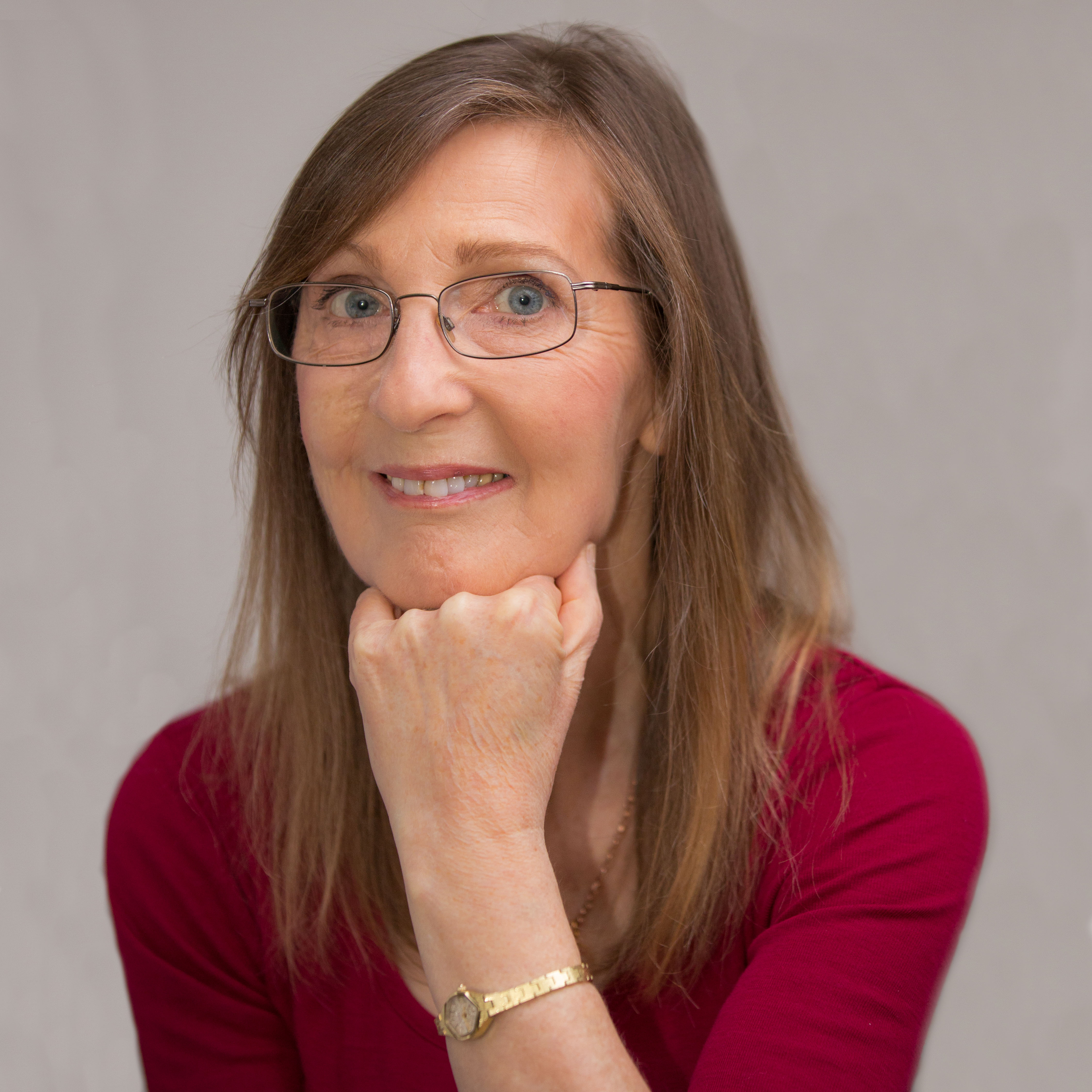
Shirley Bell is the editor of The Blue Nib, a growing online literary magazine and small publisher, and she is a widely published and anthologised poet. Her poetry is archived in the Special Collection in the University of Lincoln (UK) Library and, as a result, she has collected together all her published poetry from 1982 to early 2016 in her book, Dark is a Way and Light is a Place. Her latest book, The Still Room, new and selected poems chosen by Dave Kavanagh is coming out shortly under The Blue Nib imprint.The Wide Skirt published her pamphlet Hanging Windows on the Dark. She has published two other pamphlets, behind the glass and Poetry of Hospitals and Waiting Rooms. She has been writing poetry since the 1980s and has read widely all over the country. She worked as a Writer in Residence with all ages, from primary to students in Higher Education. She was Literature Consultant for Lincolnshire and Humberside Arts and edited their magazine, Proof.
Image: Walter Baxter / Beehives / -
Saturnian Girls
Orbit of cramped pantaloons
you offered painted blood
as an apology my love.And I take it in turns
to disavow the tureen
of your torment —
your stone soup
its coagulated colours
seared by Farsi tea
and a spoonful of breast milk.You often fantasise about
my forest path cries
amongst the de-coupled tombs
where the travellers sleep
and porcelain panthers creep.Some womenfolk are
screws to their kin
guards grasping for that infinite love.
The needle that weaves time.Wicked you made me weep
over identity papers lost
and then I knew
you’d become another Him.
One of the happenstance
patsies of pain.Greedy confessors
whose tittle are a fiddle
from the hush city streets.
Their fistula make you say Aha.I must shake the rack
this bacchanal ruin
your Thanksgiving banquet
for the baying peasants.Beware the Saturnian sea-girls
clutching sharp pink conch
behind their backs,
their chosen weapon of defence.
Detroit Waters
I’ll soon be free
yes, restless me.
Glass holding up honky tonk hells–
Leaden water cities
singing of bullet bells.The mouths of youth
one sip distempered
foamed then part demented.
Their thirst dissolved whole thoughts
into plastic playthings.Mountains of mercury fill land up-
Between Detroit asbestos and Toronto festivals
only tide and crime
heave out mutual shots off Lake Insanity.
It’s cry of brown captivity.
Fallacy of Visions
The first burn mine blush
Fallacy of visions.
This last rain
a pageantry of his working hands
before I smarted down
stuttering shambolic
through the peeping
came Patrick!
Unrequited starling-look
here take my wrists
for tether is better
than no touch at all.You told me fluted truths
left you full of cream
asleep in dewy fields.I come from any shelf
my skull speaks continents.
Babel, not sign language
a punch bowl of gooseberries
wet with hours.
Seeded with tears.
Libyan Boat
Ghosts inflated on the Med
woman with her child dead
for she weighs more
than mariners must
than raw atomic dust
fawn umbilical chronicles to be thrust.We shall soon devour hard green pears just to see
that dawn chocolate skin is ever sweet at sea
and joy moments under moonstones of Crete.A grim desert tale blows north oh so cold
of spare bloated body parts to be sold
A bright circle of tellers laughing far too bold.Conquest not consent creeps in my bed
only then can the phantom rest his head
lapping for the onyx shore
Whispering “non aver paura”.
CEGENATED
Here is the dusk baby plucked
for the reading of luck
the tumbledown tarot rhymes
menthol and black stubbed grime.Here is the child indigo
whose mumbled tale is Esperanto
paid for with a slap and a diva’s shriek.
And she a frozen caste freak
watches the blind elephant dream.
While the deaf guard chews gum
to the clap of a shoe
so now she only nibbles nails for her food.Here is the child too mute
to point to the clues
the horseshoe in the kitchen
spent salt and the sang-froid within.
Shouts on the line and gunpowder cops
black telephone cord snips
by Mother raving “Tis I who am the plot!”Here is the child
a ruin inside.
Here is the child
who stops growing
at five.Saturnian Girls and other poems © Anora Mansour


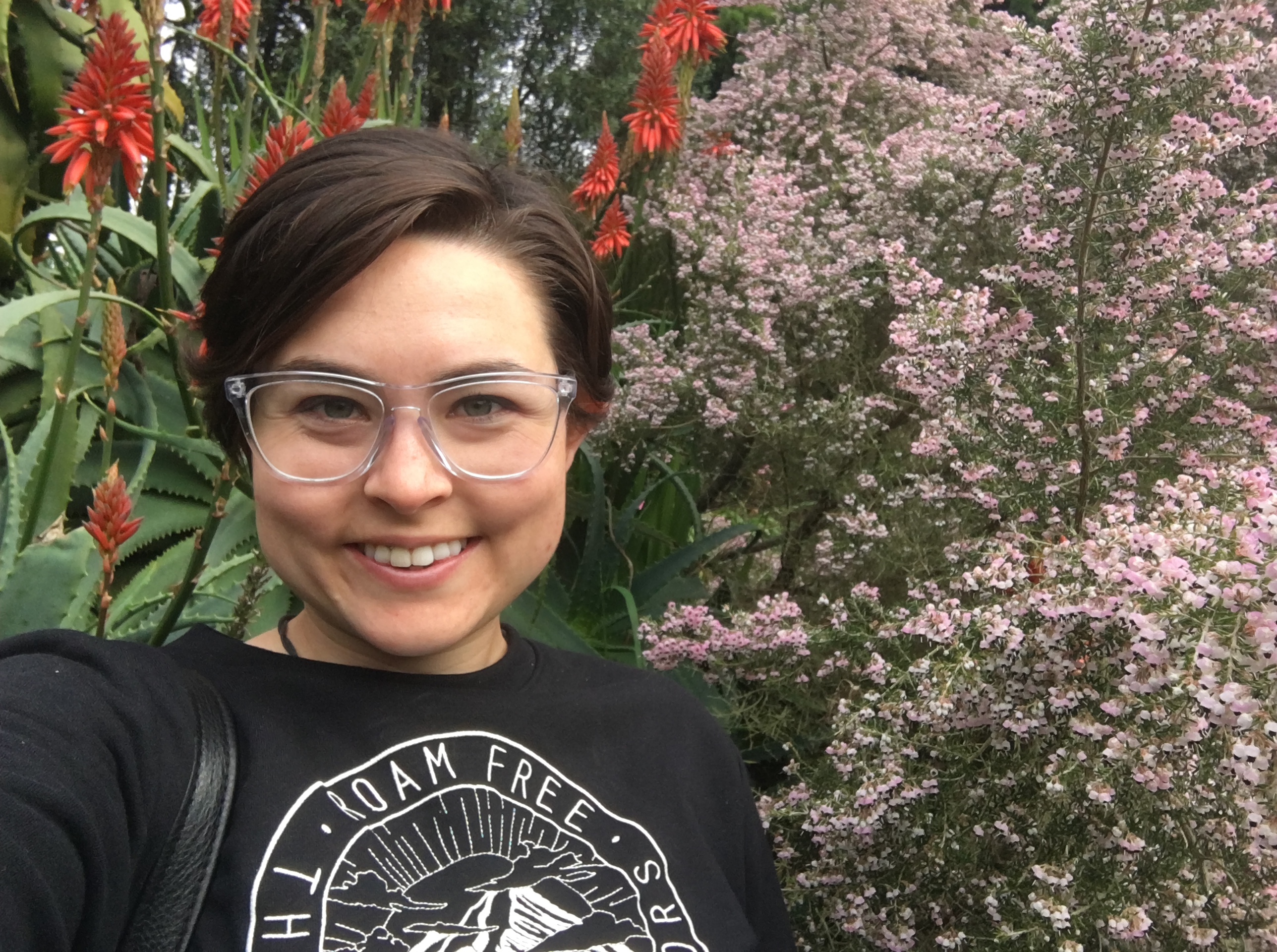
Kate Garrett is a writer and editor. She is the founding/managing editor of Three Drops from a Cauldron, Picaroon Poetry, Lonesome October Lit, and the charity webzine and anthology Bonnie’s Crew. Her own poetry has been widely published, nominated for a Pushcart Prize and longlisted for a Saboteur Award, and she is the author of several pamphlets: most recently You’ve never seen a doomsday like it (Indigo Dreams, 2017) and Losing interest in the sound of petrichor (The Black Light Engine Room, 2018). Kate was born in southern Ohio, but moved to the UK in 1999, where she still lives in Sheffield with her husband, five children, and a sleepy cat.